The Council of Australian Governments approved the National Indigenous Reform Agreement which set out the six Closing the Gap targets.
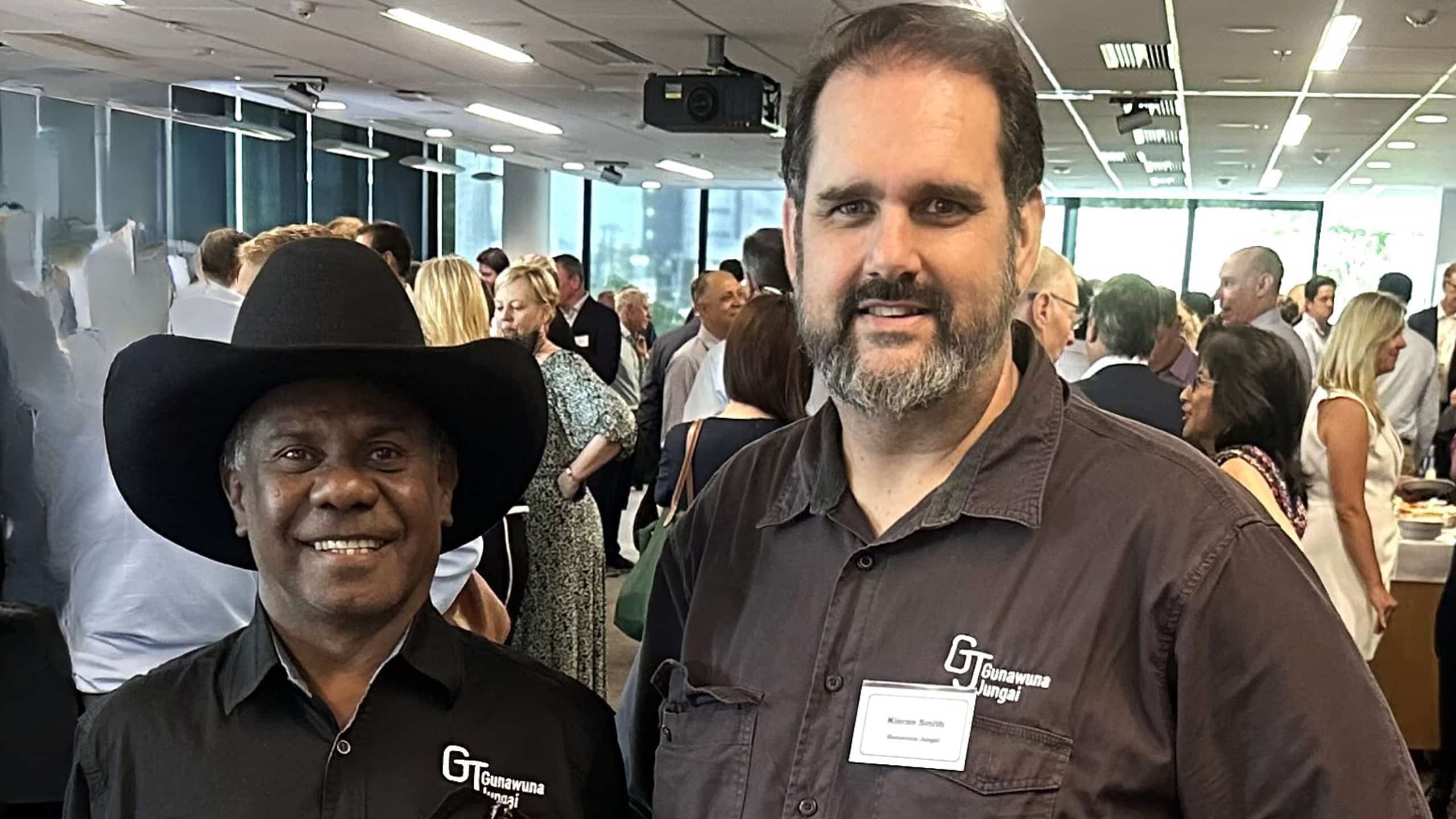
The meeting of the founders of Gunawuna, (Kieran Smith and Barry Walden) is the start their journey towards their vision for a community-controlled company with legitimacy within both cultural and western systems.
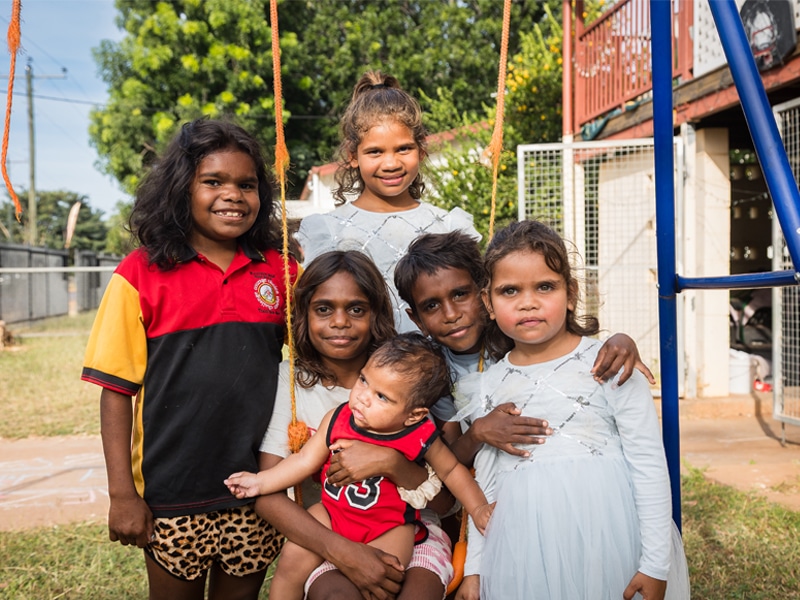
Act for Kids is an Australian charity which works to treat and prevent child abuse. In partnership with Traditional Owner groups, Act for Kids have worked with communities to establish Safe Houses to protect their children and to support the continuity of cultural connections through Safe Houses that enable them to be both protected and able to stay in remote Aboriginal communities rather than be removed. Five Safe Houses were established in discrete remote communities in northern Queensland, one of which is in Doomadgee.
Act for Kids established the Safe Houses in partnership with communities with a view to one day transitioning the Safe Houses to the communities to run. Act for Kids has played a pivotal role in the development journey of Gunawuna Jungai since 2009 through their leadership in valuing culture, nurturing and building capacity in communities, and supporting the operational capabilities of Gunawuna Jungai as a fledgling business.
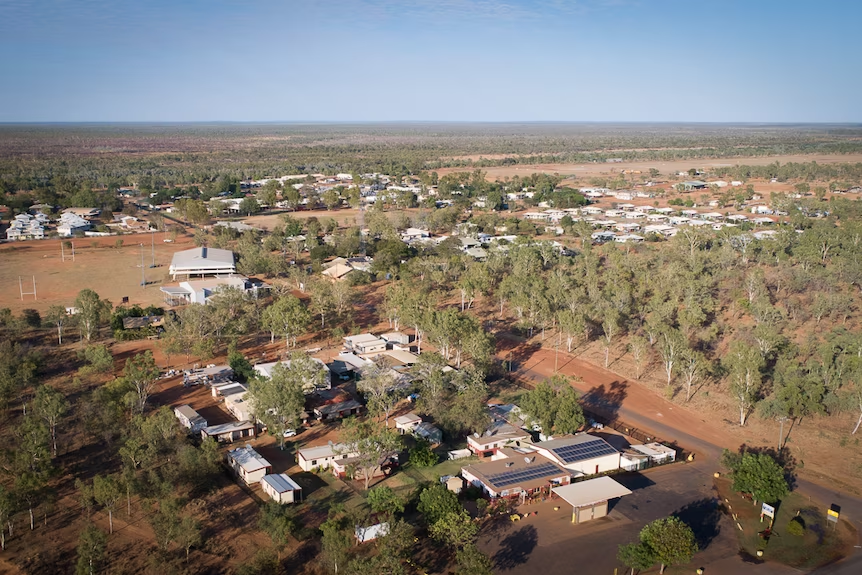
The model for establishing the Doomadgee Safe House within a cultural context became the blueprint for establishing other Safe Houses. The model was replicated within four more Safe Houses in Aboriginal communities in Cape York – Aurukun, Napranum, Kowanyama, and Pormpuraaw.
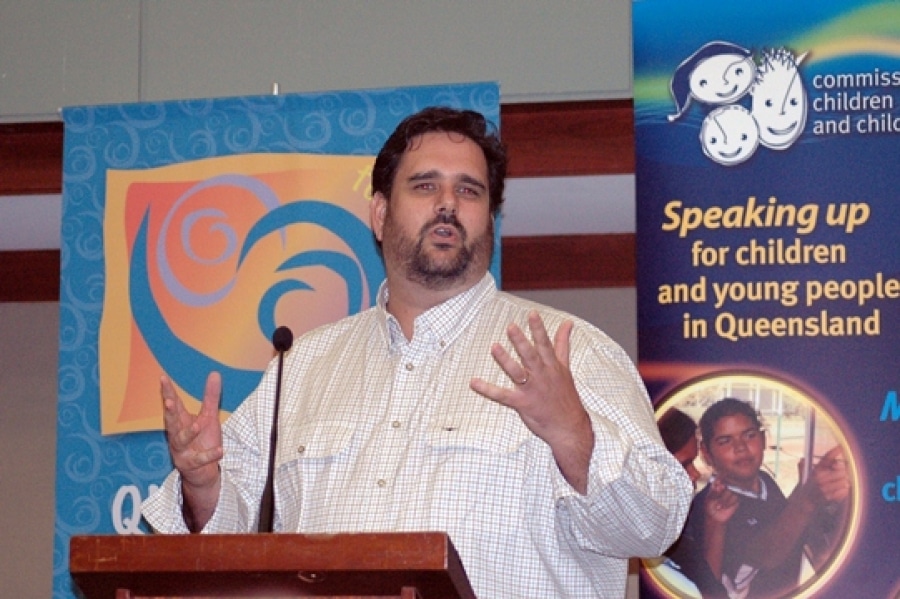
Prior to commencing as CEO of Gunawuna Jungai, Kieran Smith was the Director of the SafeKIDS Program at Act for Kids. In 2012, Kieran received a Child Protection Week Award, Professional (Non-Government), for his role in establishing the Safe House in Doomadgee and his enormous contribution to child protection in Far North Queensland.
Act for Kids reported that “Kieran was honoured and humbled by the award and said it was his desire to keep kids in community while ensuring their safety and wellbeing that led him to relocate his family over 1,000km to Doomadgee for six months so he could offer his full commitment to the community.”
In setting up the Doomadgee Safe House, Kieran prepared the house to accommodate local children in a “safe, welcoming home environment and hired and trained local staff”. The Safe Kids team and Safe House Reference Groups comprised of members of the Doomadgee community, and he engaged local Elders and the community, and together they developed a shared vision and responsibility for the protection and wellbeing of children”. The goal for Act for Kids was to keep children in “community and connected to family, culture and country”.

During this period Barry worked as the Indigenous Engagement Officer for the National Indigenous Australians Agency (NIAA) in implementing the local implementation plan (LIP) for Doomadgee. The LIP come out of the Remote Service Delivery National Partnership Agreement (RSDNPA) between the Commonwealth and Queensland governments and is described as an operational framework created to facilitate the commitment from all of government to work together with local Indigenous people to Close the Gap on Aboriginal disadvantage under the Closing the Gap Agreement. This work experience informs Gunawuna Jungai’s understanding of working in partnership with governments, including the barriers and challenges of community partnerships with governments.
Kieran Smith played a pivotal role in the development of the award-winning Safe House programs in the Western Cape York and Gulf of Carpentaria Aboriginal communities as the SafeKIDS Director, earning the esteemed 2015 Queensland Reconciliation Award.
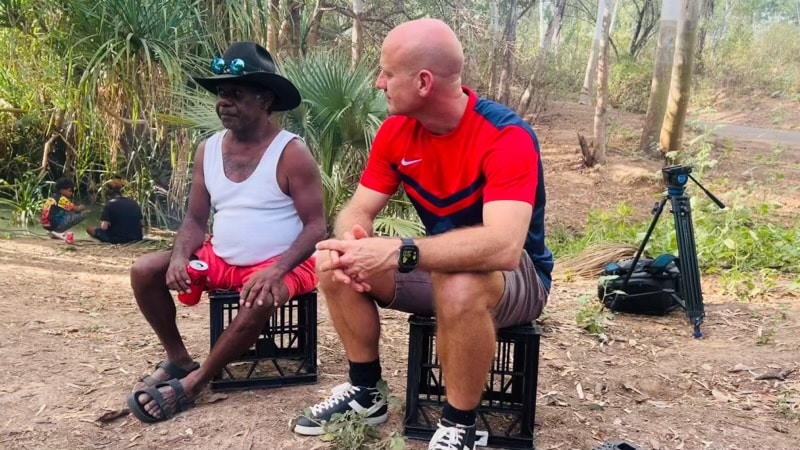
Massimo Zaini worked with Barry Walden and the local Traditional Owners to implement Act for Kids’ Safe House in Kowanyama drawing from the experience of Kieran and Barry in Doomadgee. From 2016, Massimo and Barry, worked together using the blueprint that Kieran and Barry developed as they used cultural authority to guide the process for setting up the Safe House in Doomadgee, to set up the Safe House in Kowanyama. This period is considered a proof of concept for the process, and the period of immersive learning about working in cultural informed ways is described as an ‘apprenticeship’ by Massimo.
Under the guidance of Kieran, and with the cultural tutorage of Barry, Massimo describes this period of apprenticeship, as an immersive experience where his corporate background together with a process of engaging with community in culturally appropriate and respectful ways shaped his approach for working with community. This period of apprenticeship continues to guide the way that Massimo works with the Doomadgee community in his role with Gunawuna Jungai.
Discussions commenced for the plan to transition management of the Act for Kids’ Safe Houses to their respective communities.
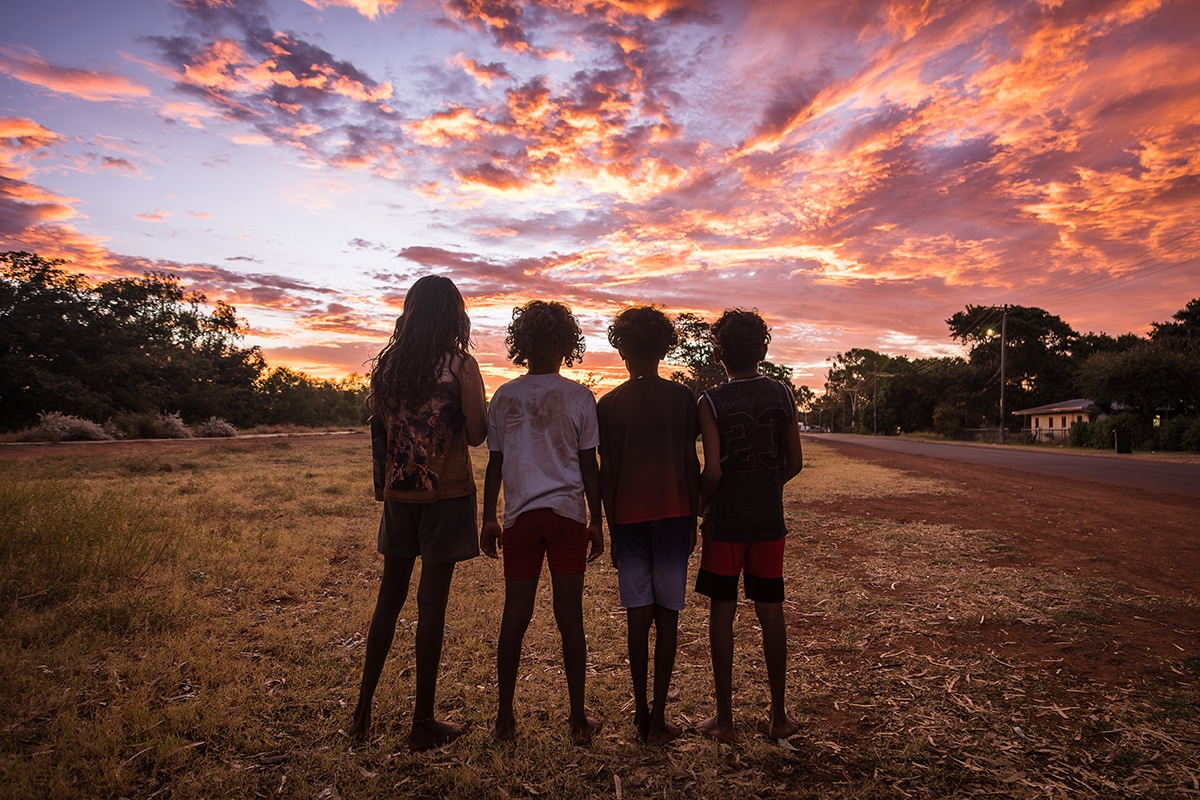
Kieran Smith stepped away from the Safe House program in the Cape and Gulf, moving to the Regional Director role for Act for Kids. This was an opportunity to demonstrate that the Safe Houses were a sustainable culturally endorsed model for Indigenous communities that could ensure leadership changes.
A team from King & Wood Mallesons, under the guidance of Berkeley Cox provided pro bono legal support to Act for Kids.
Act for Kids were exploring the options available for transitioning the Safe Houses to their respective communities through a community-controlled organisation with the capacity to support operations the long-term. King & Wood Mallesons produced a report for Act for Kids about the corporate structuring options for a community-controlled entity to manage the Safe Houses.
The Council of Australian Governments (COAG) agreed to refresh the Closing the Gap framework ahead of four of the seven targets expiring in 2018. With the new National Closing the Gap Agreement coming into effect in July 2020 there was agreement on the four Priority Reforms target indicators, two new socio-economic targets, and the funding priorities for developing the housing and early childhood care and community-controlled sectors.

Kieran Smith worked on the participatory community process to bring a community-controlled organisation to a level of formalisation.
The former Prime Minister of Australia, Kevin Rudd, officially launched Act for Kids’ Reconciliation Action Plan on 24 March 2021. The Reconciliation Action Plan supports Act for Kids’ commitment to provide services that realise greater understanding and self-determination for Aboriginal and Torres Strait Islander peoples, achieved through improved engagement and participation in the reconciliation process. The vision for reconciliation for Act for Kids is to reduce the disproportionate representation of Aboriginal and Torres Strait Islander children in the child protection system.
Gunawuna Jungai was endorsed by the Doomadgee Aboriginal Shire Council and Mayor Jason Ned as a community-controlled organisation for the people of Doomadgee. In 2022, Gunawuna Jungai was established with the enduring support of third-party organisations King & Wood Mallesons and Act for Kids together with a cash injection from Auto & General.
The inaugural Gunawuna Jungai Board of Directors was established with members Troy Fraser, Toni Fraser and Barry Waldon.
Gunawuna Jungai held their first board meeting in Doomadgee.
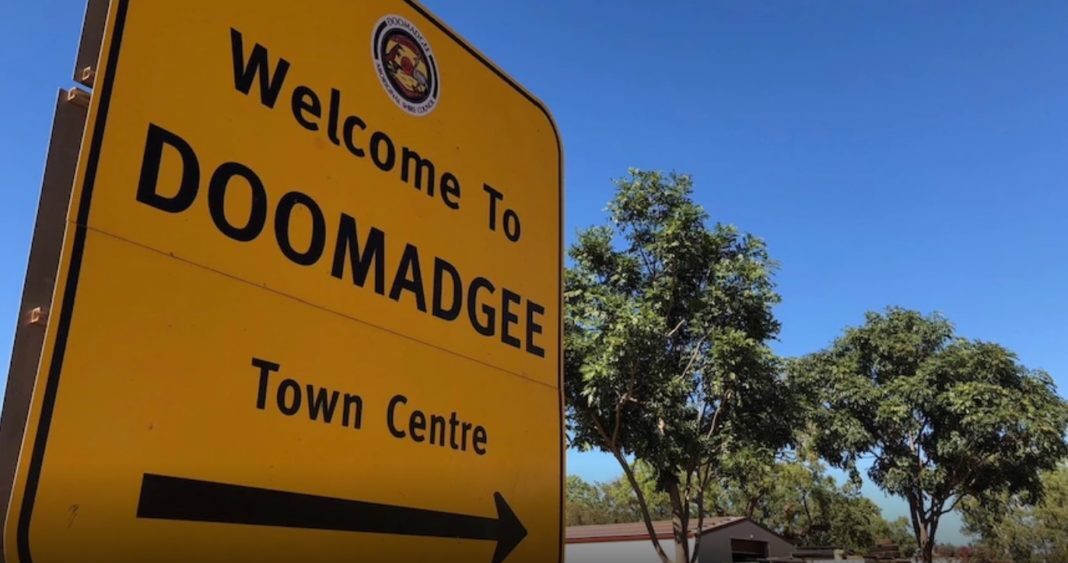
Gunawuna Jungai’s Constitution was adopted on 11 May 2022. Berkeley Cox (former Chief Executive Partner of King & Wood Mallesons) guided the development of Gunawuna Jungai’s Constitution with the inaugural board of directors to ensure that met the needs of the Doomadgee community.

Gunawuna Jungai was endorsed by Doomadgee Aboriginal Shire Council and Mayor Jason Ned as the community-controlled organisation to represent Doomadgee as a site for a Place-based partnership with governments.
Gunawuna Jungai was endorsed by Doomadgee Aboriginal Shire Council and Mayor Jason Ned as the community-controlled organisation to represent Doomadgee as a site for a Place-based partnership with governments.
Gunawuna Jungai registered as a charity under the Charities Act 2013 (Cth).

In 2022, Doomadgee was selected as one of six place-based partnership locations in Australia with Gunawuna Jungai as the endorsed body.

During this initial period Act for Kids were supporting Gunawuna Jungai as a community-controlled organisation to represent the Doomadgee community. To support continued operations of Gunawuna Jungai, they negotiated the Cooperation Agreement to reflect a partnership with the government (NIAA) in the spirit of the Closing the Gap priority reforms.

Gunawuna Jungai stands as a model of community representation with a unique governance model whereby the structure genuinely reflects the community it serves. The process for establishing the governance structure of Gunawuna Jungai involved working with Traditional Owners and elders to identify family groups. Then, each family group were invited to nominate a representative member. This culturally informed configuration provides for representation and a voice from each family group in Doomadgee to contribute to decisions which are, therefore, made in the best interests of the Doomadgee community as a whole.
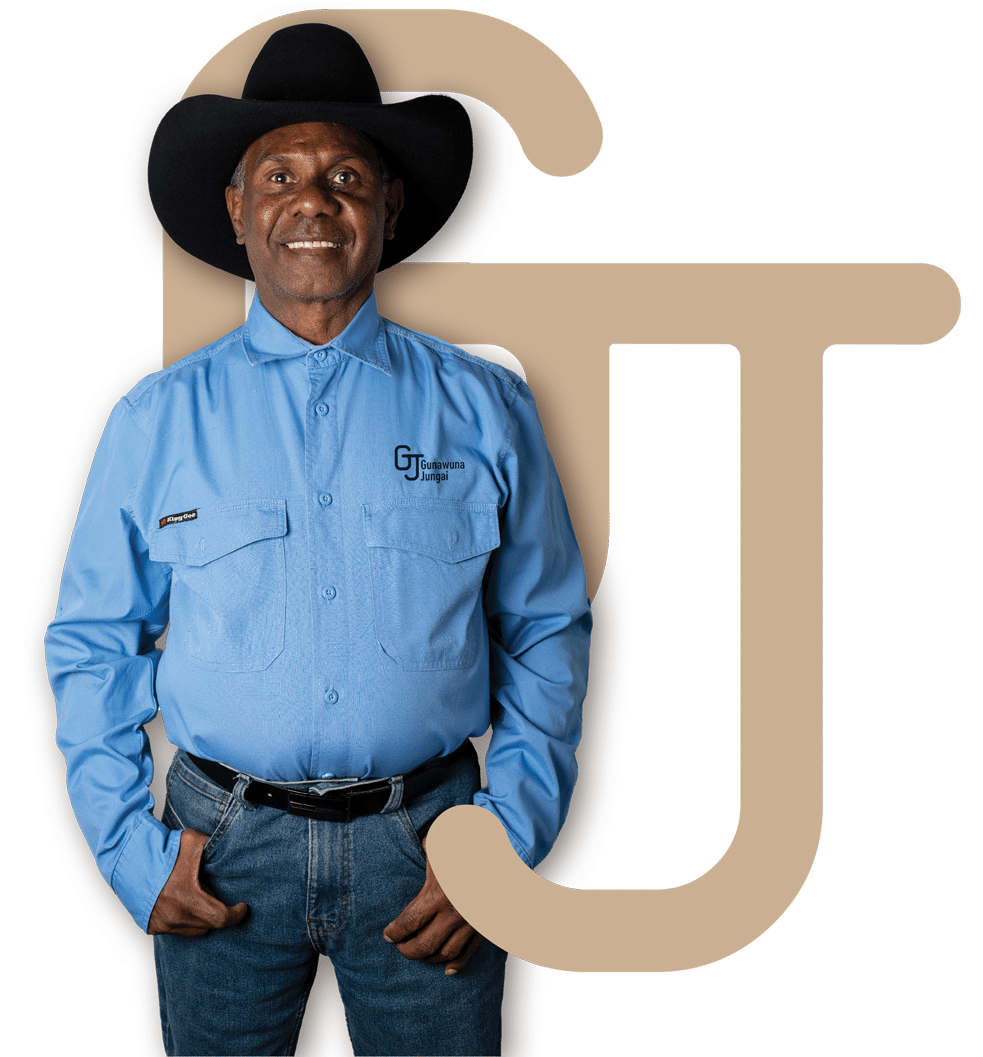
The Gunawuna Jungai Board held their first board meeting. Barry Walden was elected as inaugural Chairman of the Board.
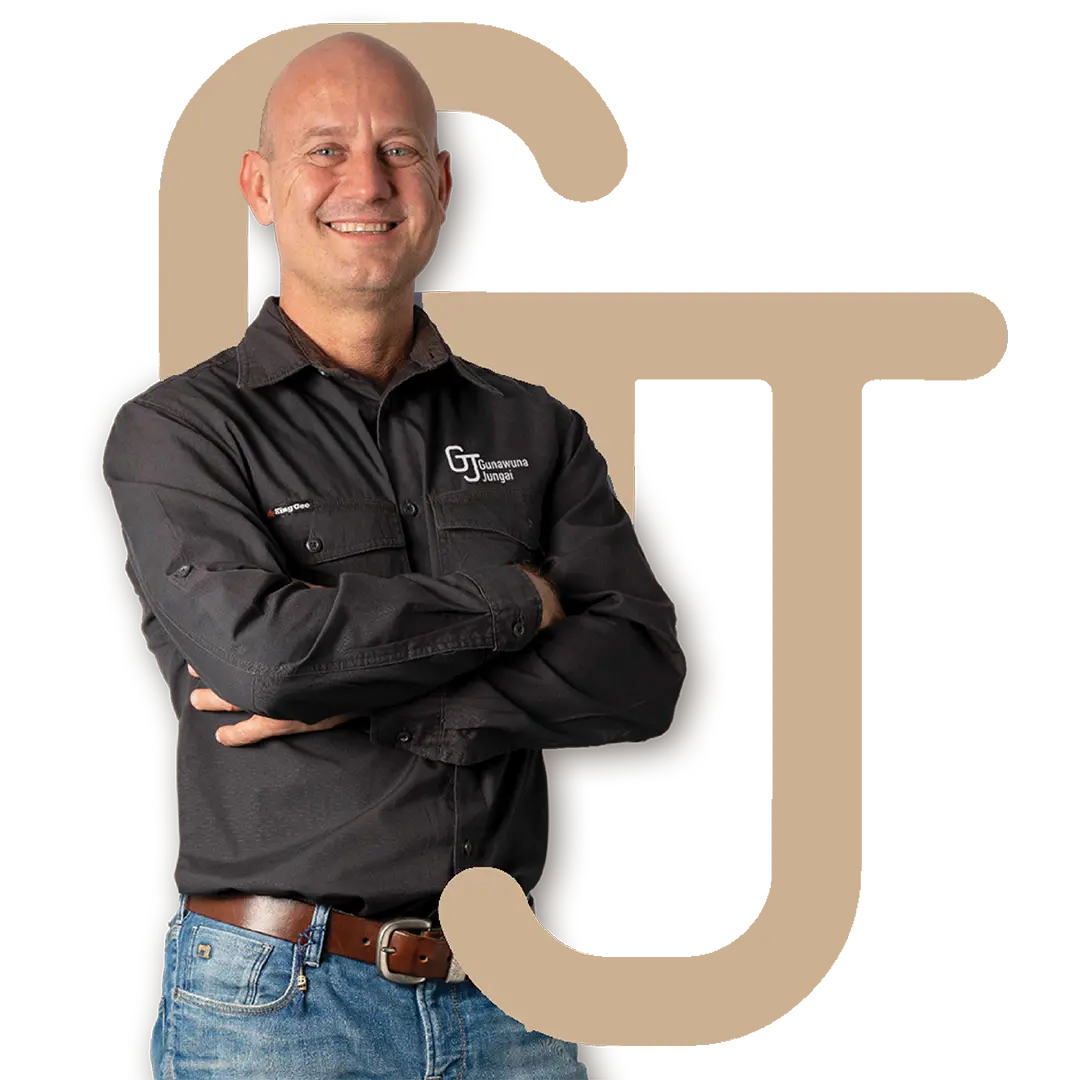
The Chief Operating Officer, Massimo Zaini, was Gunawuna Jungai’s first employee. The back-of-house person managing all the operational aspects of Gunawuna Jungai was critical to getting the new company running. Much of the operational work is behind the scenes, and therefore, not visible to community and other organisation; however, the COO was key in starting and maintaining Gunawuna Jungai’s operation, and in allowing the company’s visionaries to be visionaries without tying them down with daily operational challenges.
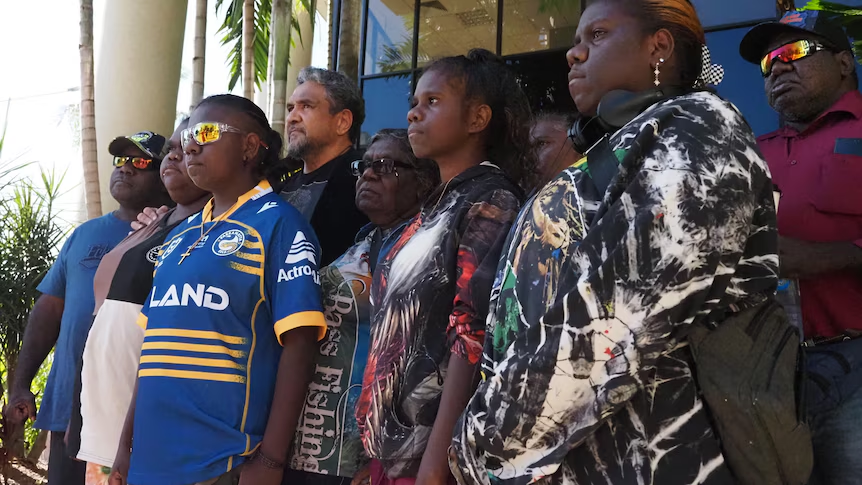
Ministers were in Doomadgee following the findings from the coroner’s inquest into the rheumatic heart disease deaths in Doomadgee.
The ABC reported that the “Queensland Health Minister Shannon Fentiman said the government would accept all the recommendations and work with the Doomadgee community to respond appropriately”.
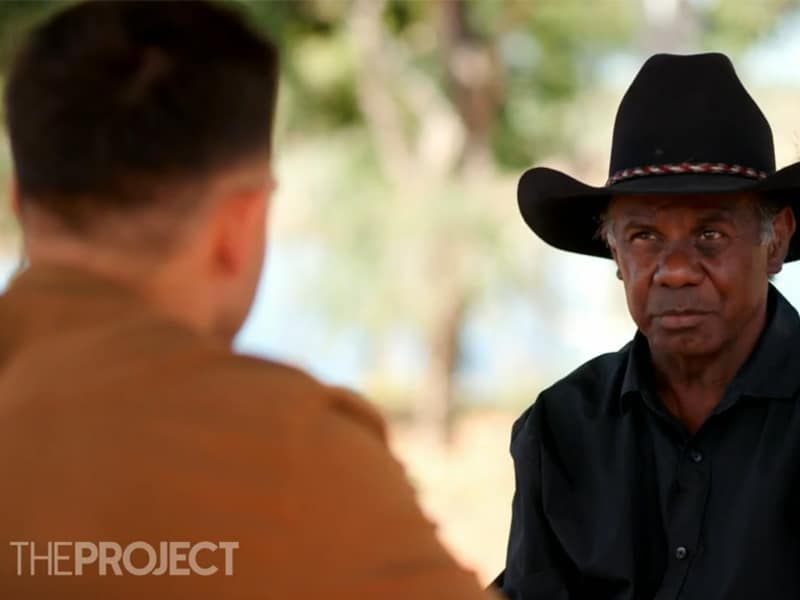
Barry Walden appeared on The Project advocating for the Doomadgee community and the need for government to listen to the community as they experience the loss of yet another young person that was preventable.
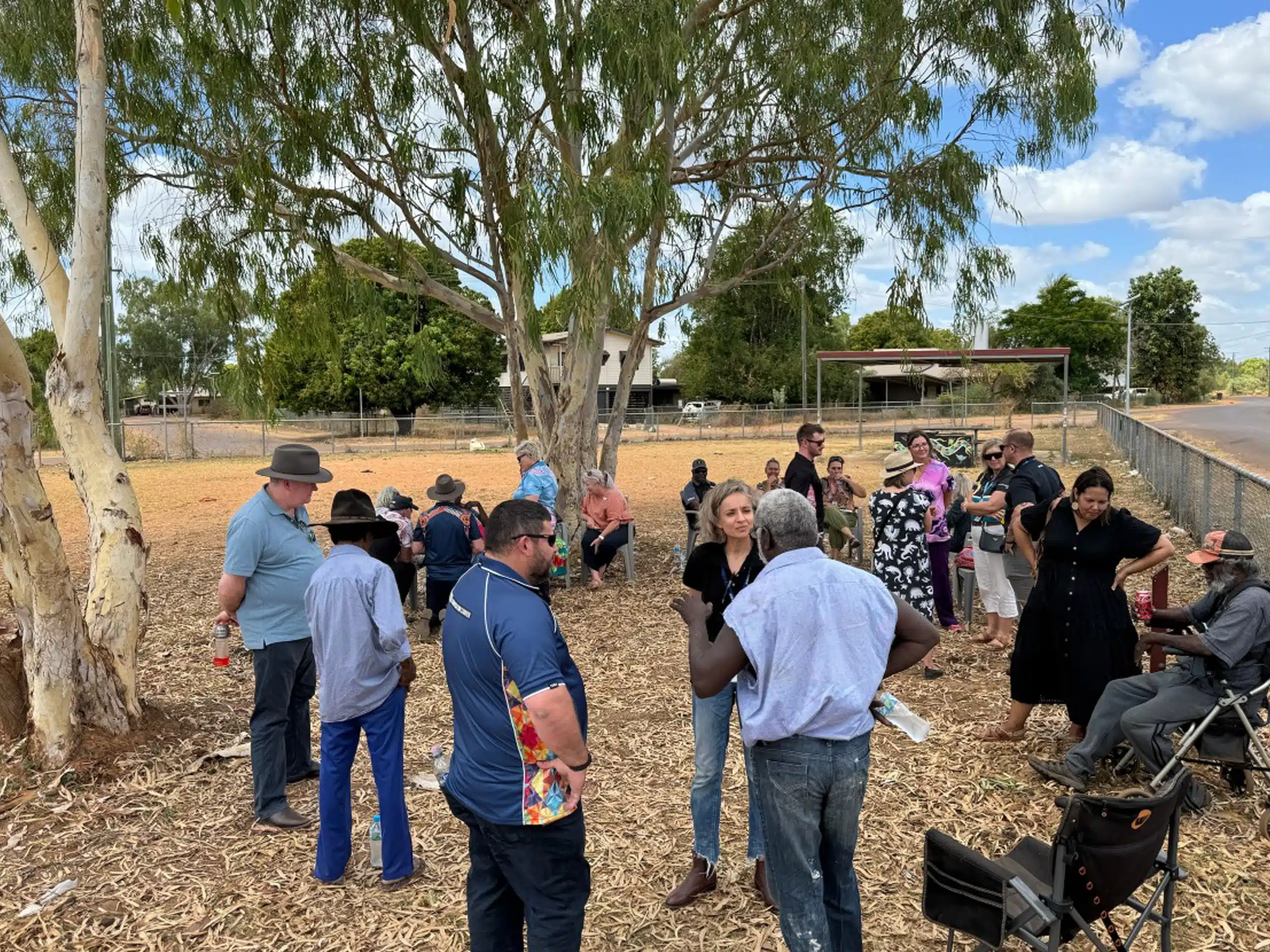
The ’Health Meeting’ was the point from which Gunawuna Jungai negotiated the terms of the agreement with Queensland Health for the ‘Health Project’, a community-driven initiative focused on improving health outcomes for the Doomadgee community. The Health project seeks culturally led, collaborative solutions for improving health outcomes for the Doomadgee community. By prioritising local leadership, meaningful engagement, and strong partnerships, Gunawuna Jungai’s Health Project aims to shift healthcare away from a one-size-fits-all model to one that reflects the unique needs of the Doomadgee community.
The Shared Power for Advocating for Reform Collectively (SPARC) project is a Medical Research Futures Fund (MRFF) funded multi-organisational research partnership between the Jawun Research Institute (CQUniversity), Gunawuna Jungai, Yarrabah Leaders Forum & Jabu Mugay, Woorabinda Leaders Forum, Deadly Inspiring Youth Doing Good (DIYDG), Queensland Health Reform Office and the Department of Women, Aboriginal and Torres Strait Islander Partnerships and Multiculturalism. Together, the partners, are using a collective impact approach to identify priorities and to determine which approaches have the capacity to create systems change and shifts, under the four priority reforms areas of the Closing the Gap Agreement.
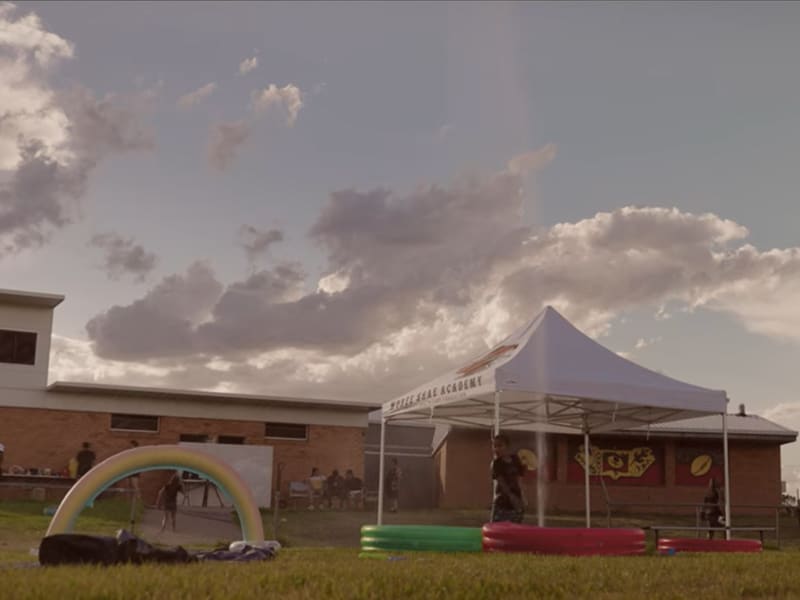
Gunawuna Jungai secured funding for their Justice Reinvestment Program. Gunawuna Jungai’s Justice Reinvestment project seeks to facilitate real change moving Doomadgee closer to being empowered and community-led with a balanced, culturally informed approach to justice.

Gunuwuna Jungai’s approach is grounded in the importance of relationships and person to person connection in the community is the fundamental approach to engagement that cannot be ignored - any genuine grassroots movement must have mechanisms for collective engagement and consultation. In August, Gunawuna Jungai hosted its first BBQ for members.

Gunawuna Jungai’s Board Charter was adopted. The Board Charter sets out the roles and responsibilities of the Board and provides guidance to the board on operational aspects and performance expectations.
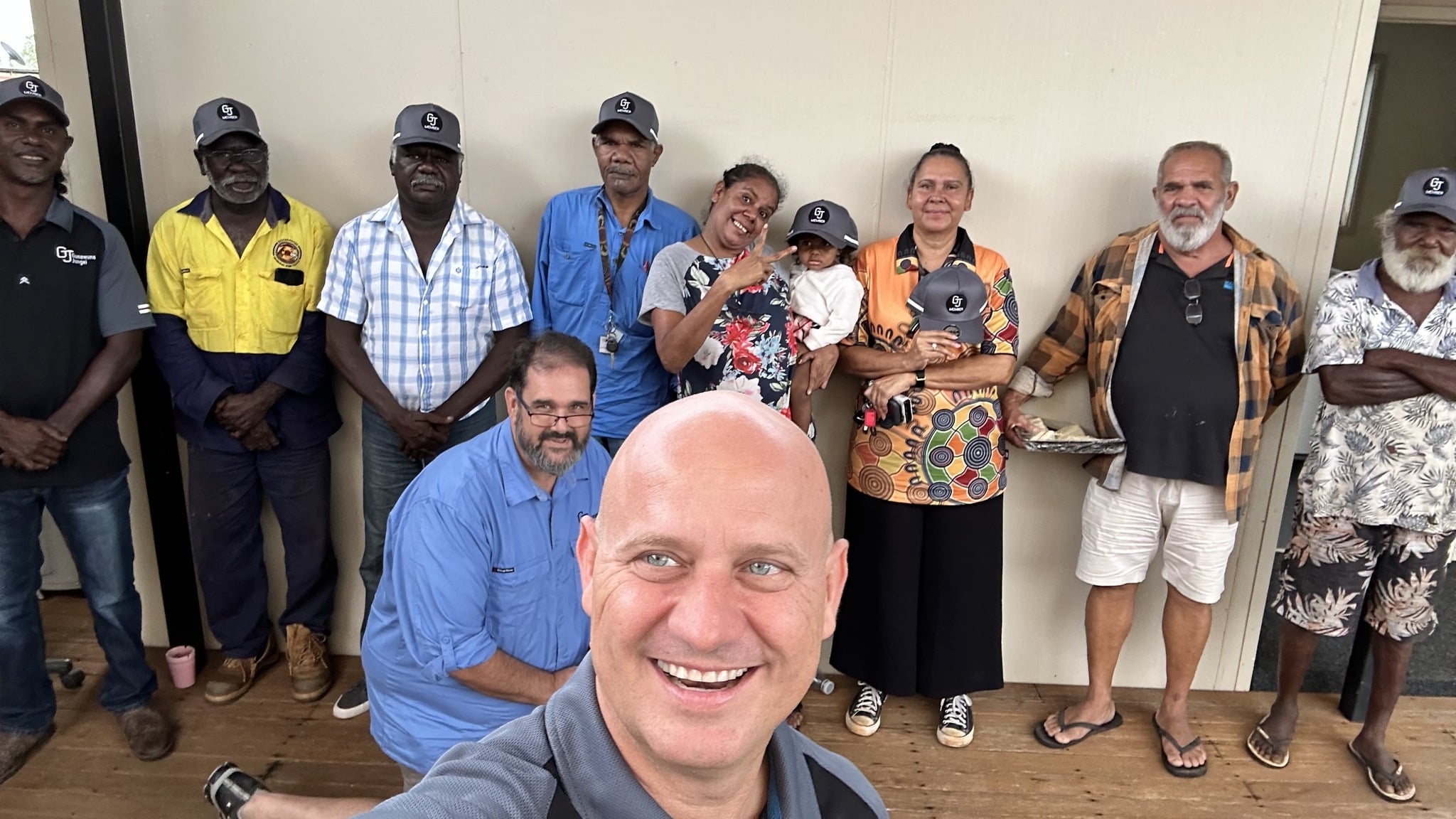
Gunawuna Jungai had their first Annual General Meeting (AGM).
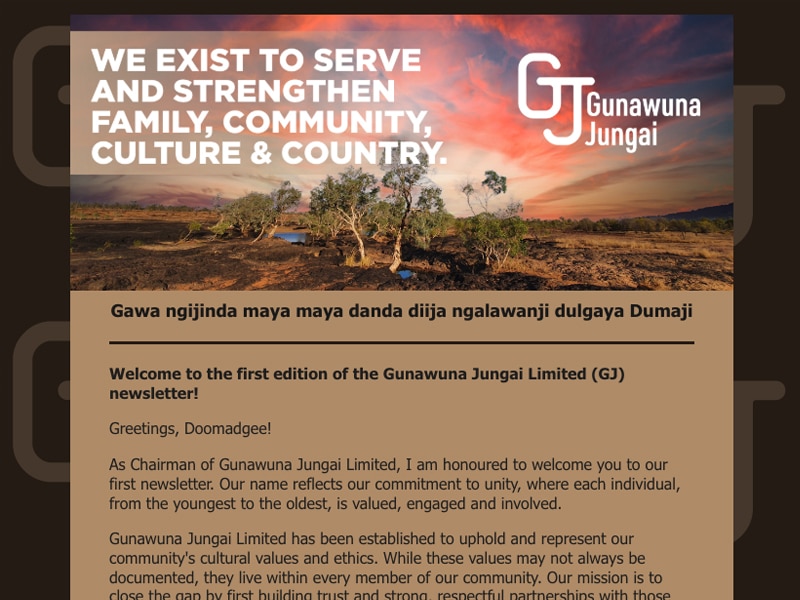
Gunawuna Jungai’s first newsletter was distributed.

Gunawuna Jungai is managing a Health project in Doomadgee which aims to address recommendations from the Coronial Inquest into Rheumatic Heart Disease (RHD) in Doomadgee. The Health Project is part of the broader goal for empowering the Doomadgee community to take control of their health outcomes and has laid the groundwork for transformative changes towards closing the trust gap and improving engagement between the Health System and the Doomadgee Community.
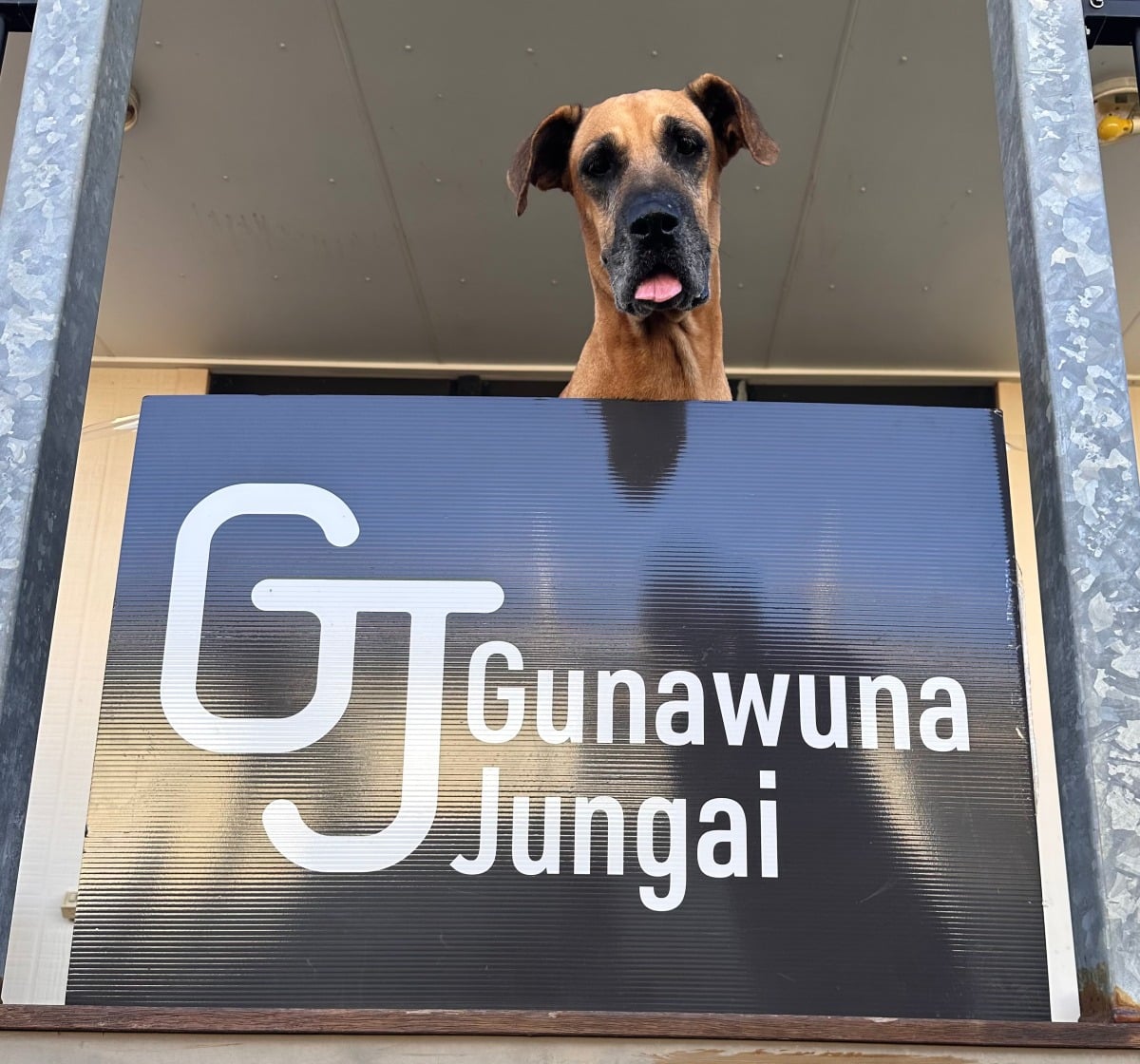
Gunawuna Jungai opened an office (a room in the NIAA building) to establish a presence in Doomadgee.
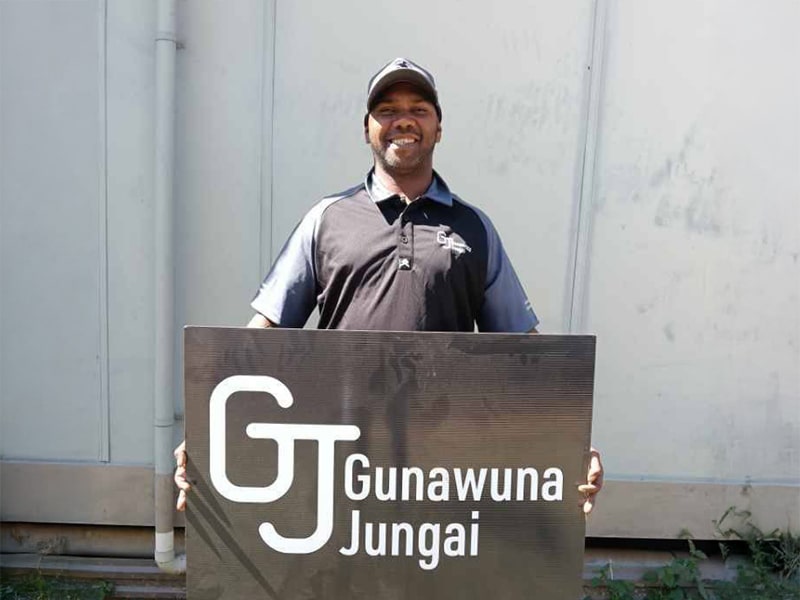
Gunawuna Jungai is committed to providing employment opportunities for community members. They have a mixed employment model with workers engaged as employees and sole traders. This workforce model provides flexibility for Gunawuna Jungai while their revenue streams fluctuate and provides the Doomadgee community with opportunity to choose when they work. Since 2024, Gunawuna Jungai’s sole trader workforce assist in running community events, collecting data for projects, and consult with the community to communicate the community’s views to government representatives.
An agreement was reached with Department of Women, Aboriginal and Torres Strait Islander Partnerships and Multiculturalism for Backbone funding to cover the minimum cost of operating Gunawuna Jungai for one year. Backbone funding is the funding received to support an organisation operating as a centralised management team for partnership efforts towards collective impact. Backbone support is an essential component of collective impact. Gunawuna Jungai is the backbone organisation facilitating collective impact through local partnerships with the Doomadgee community.
Backbone funding was received for 6 months operational costs from the Department of Women, Aboriginal and Torres Strait Islander Partnerships and Multiculturalism. Gunawuna Jungai operates as a lean business navigating the challenges associated with working as a community-controlled organisation representing the people of Doomadgee and the expectations of government departments representing the government.

A review of governance and Board composition for Gunawuna Jungai was conducted in 2025. Founder, Barry Walden, stepped aside from his role as the Director and Chair of the Board. This move supported the intent of Gunawuna Jungai to be a community-controlled organisation representing the Doomadgee community, demonstrating that it is not controlled by any one person or family. The move was accompanied by a transition for Gunawuna Jungai from a ‘cultural authority led’ organisation, to a ‘cultural authority endorsed’ organisation. In addition, two new members were welcomed as Directors to the Board, which provided a better gender balance and improved the balance of clan groups on the Board.
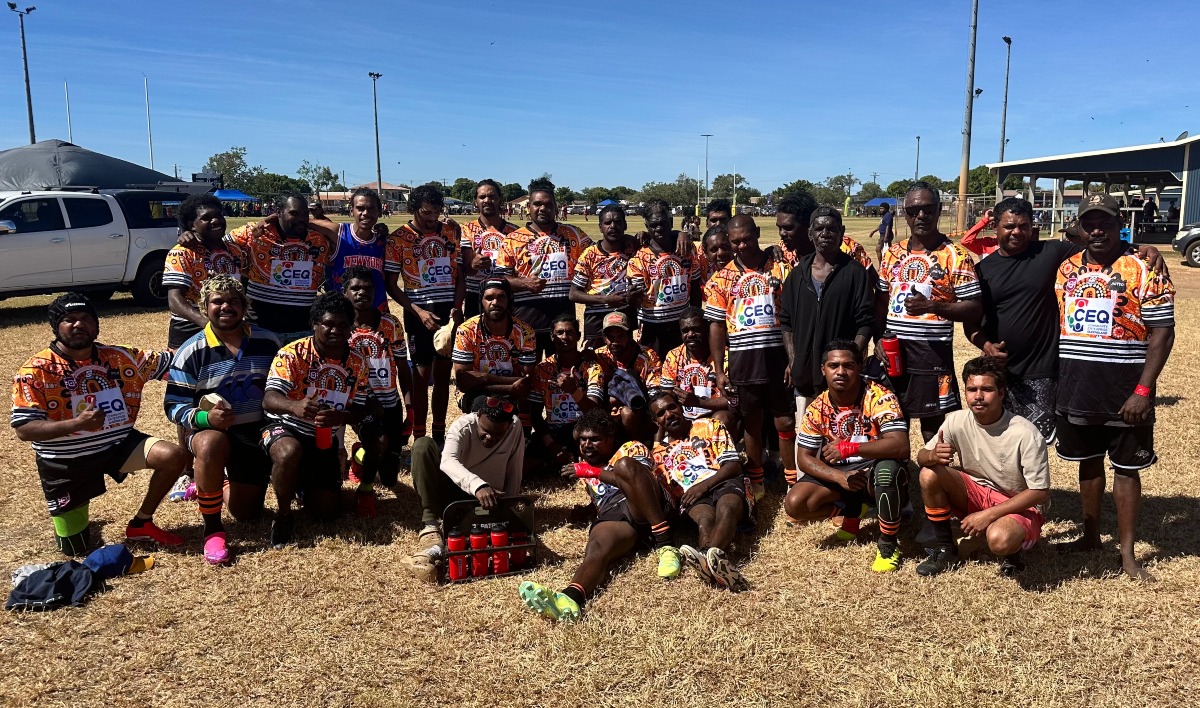
Gunawuna Jungai is supporting the newly formed Doomadgee United Football team, as they play along with the Doomadgee Dragons in the region’s football series. Doomadgee now have two football teams proudly representing their community and young people have more opportunity to engage in sporting activities.