
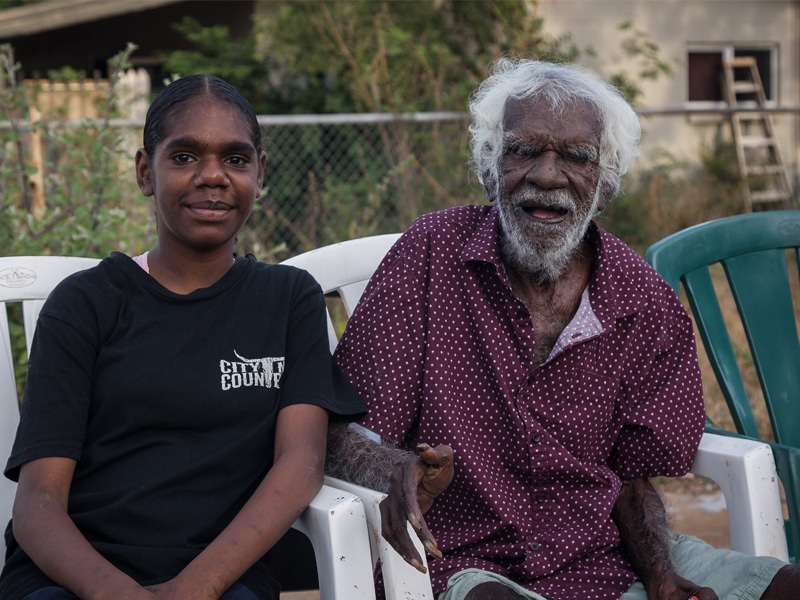
The Closing the Gap agreement aims to close the health and life expectancy gap between Indigenous and non-Indigenous Australians. To achieve this objective, Australia’s peak Indigenous and non-Indigenous health bodies, human rights organisations and non-profits are working together.
In 2005, the Aboriginal and Torres Strait Islander Social Justice Commissioner published the Social Justice Report urging Australian governments to make a commitment to achieving quality for health and life expectancy for Australia’s First Nations people within 25 years. In 2007, the Council of Australian Governments (COAG) responded by pledging to close key gaps for Aboriginal and Torres Strait Islander peoples in life expectancy, and literacy, numeracy and health inequalities.
In March 2008, the Prime Minister and Opposition Leader signed the Closing the Gap Statement of Intent, at the Closing the Gap National Indigenous Health Equity Summit. The Closing the Gap Statement of Intent included a commitment for a comprehensive long-term action plan, that is targeted to need, evidence-based and capable of addressing existing inequalities. As part of this commitment Aboriginal and Torres Strait Islander peoples and their representative bodies would, through the national strategy, have full participation in all aspects of addressing their health needs. The National Indigenous Health Equality Council was established in July 2008. Then, in November 2008, the Council of Australian Governments (COAG) approved the National Indigenous Reform Agreement which outlined the six targets. set measurable targets so that progress towards Closing the Gap can be tracked. The Closing the Gap targets aim to achieve Aboriginal and Torres Strait Islander health equality within a generation.
The six Closing the Gap targets set out in the National Closing the Gap Agreement were:
In 2009, the Prime Minister committed to reporting annually on progress towards the Closing the Gap targets. Click here for the Annual Closing the Gap Reports.
Resources